
30 August 2025 · Skill Ninja
How to introduce yourself in English
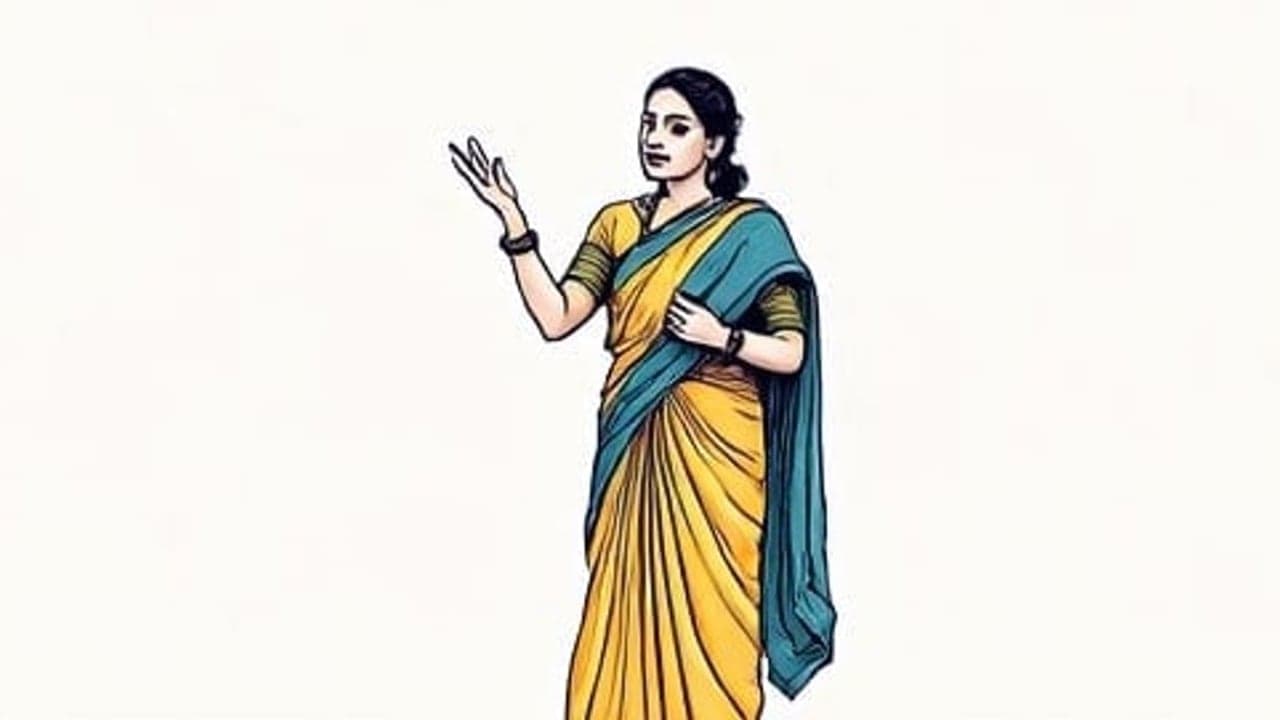
Introducing yourself is the first thing you will be asked to do and the first thing that goes wrong. Not because it is hard, but because you are trying to invent sentences while nervous.
So do not invent them. Borrow these, change the details, and say them until they stop feeling borrowed.
The basic four
My name is Sunita. I live in Zirakpur. I have two children. I have been at home for the last eight years.
That is a complete introduction. It is not clever and it does not need to be. Four short sentences said clearly are better than one long sentence that collapses halfway.
Add one line about what you do
If you work:
I work at a school. I look after the admissions desk.
If you are at home:
I look after my home and my children. My younger one is in Class 3.
If you are starting again:
I worked in a bank before my children were born. Now I am preparing to go back.
That last one is worth learning properly. Many women apologise for a career break. You do not have to. State it and move on.
Add one line about why you are here
I want to speak English with confidence, especially on the phone.
I want to help my daughter with her schoolwork.
I need English for interviews.
Say it slower than feels natural
When we are nervous we speed up, and speed is what makes English sound broken. Slowing down does three things: it gives you time to find the next word, it makes your accent clearer, and it sounds confident.
Try saying the four sentences above with a full breath between each one. It will feel unnaturally slow to you. It sounds calm to everyone else.
What to do when you get stuck
You will forget a word mid-sentence. Everybody does, in every language.
Do not stop and apologise. Say the sentence a simpler way:
I work in the... the place where they... I work in a bank.
That is not failure. That is what fluent speakers do constantly — you just don't notice, because they keep going.
Practise it out loud, not in your head
Say your introduction aloud ten times today. In the kitchen, to the mirror, to nobody. The tenth time will sound different from the first, and that difference is the entire skill.
Reading about it is one thing. Sitting in a class is another — and the first one is free.