
5 June 2026 · Skill Ninja
Writing WhatsApp messages in English without embarrassment
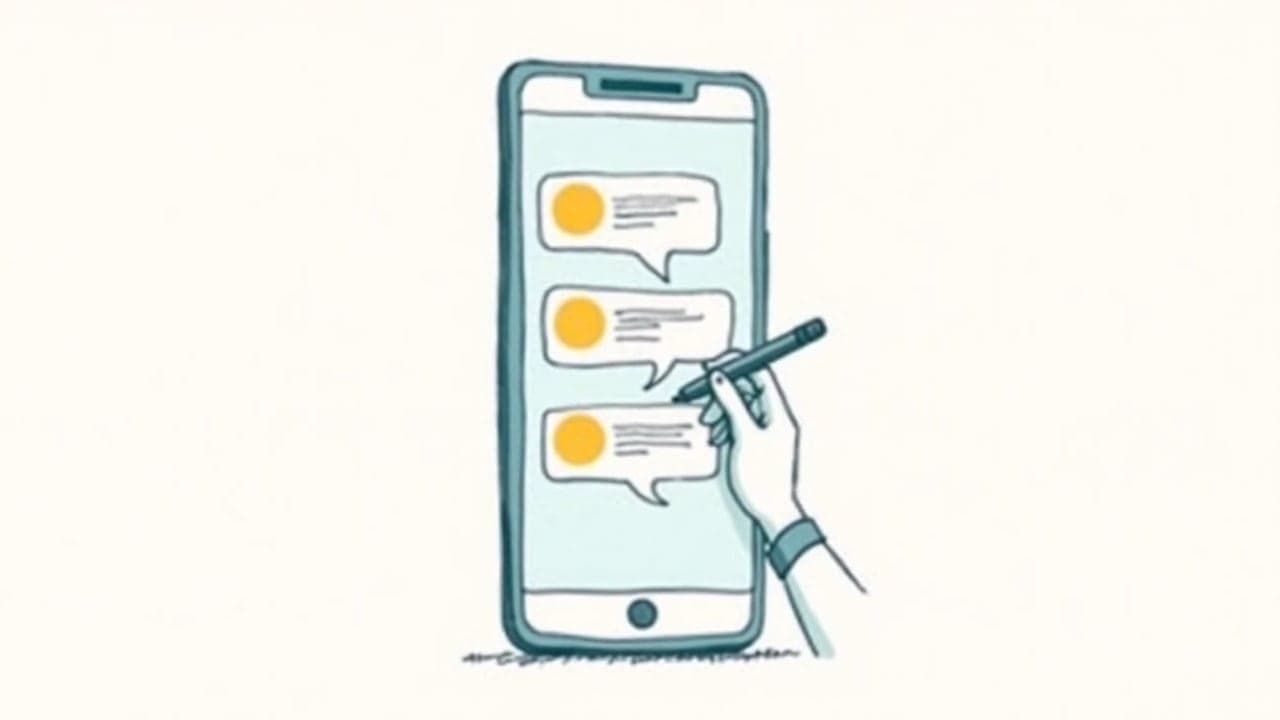
If you want one habit that improves your English without adding a single minute to your day, it is this: write your WhatsApp messages in English.
You already send dozens of messages daily. Nothing new to schedule.
Why writing helps speaking
They are not the same skill, but they share a bottleneck. In both, you have to find the word, choose the tense and order the sentence. Writing lets you practise that with the pressure removed — nobody is watching you pause, and you can fix it before sending.
Do it for a month and the sentence patterns become automatic. Automatic is exactly what you need when speaking, because you no longer have time to build them.
Start where the stakes are lowest
Not your boss. Not your child's teacher. Start with:
- The family group where everyone is fond of you
- A shopkeeper you order from
- A friend who is also learning
- Notes to yourself in your own "Message yourself" chat
That last one is genuinely useful. Write your grocery list in English. Write tomorrow's plan in English. Zero audience, real practice.
Sentences you will reuse constantly
I'll call you in ten minutes.
Sorry, I missed your message.
Can you send me the address?
I'm on my way.
Thank you so much, that helps a lot.
Let me check and tell you by evening.
Six sentences covering a surprising share of daily messaging. Learn them properly and you have removed most of the friction.
Two habits worth having
Stop apologising for your English. Many women open with "sorry for my English". It draws attention to something the other person probably had not noticed, and it makes you sound unsure of something you have every right to do. Delete it. One of our students said dropping that one habit changed how people replied to her.
Read it once before sending. Not to make it perfect — just to catch the obvious. This is the habit that eventually becomes self-correction while speaking.
What not to worry about
Full stops, capital letters, whether it should be is or are. Messaging English is casual for everyone, including native speakers. Nobody is marking it.
The goal is not correct messages. It is a hundred small repetitions a week of building English sentences under no pressure at all.
Then move it to voice notes
Once written English feels easy, send a voice note instead. Same thought, same sentence — now spoken. It is the smallest possible step from writing to speaking, and you can re-record it as many times as you like.
Nobody has to know it took four attempts.
Reading about it is one thing. Sitting in a class is another — and the first one is free.